
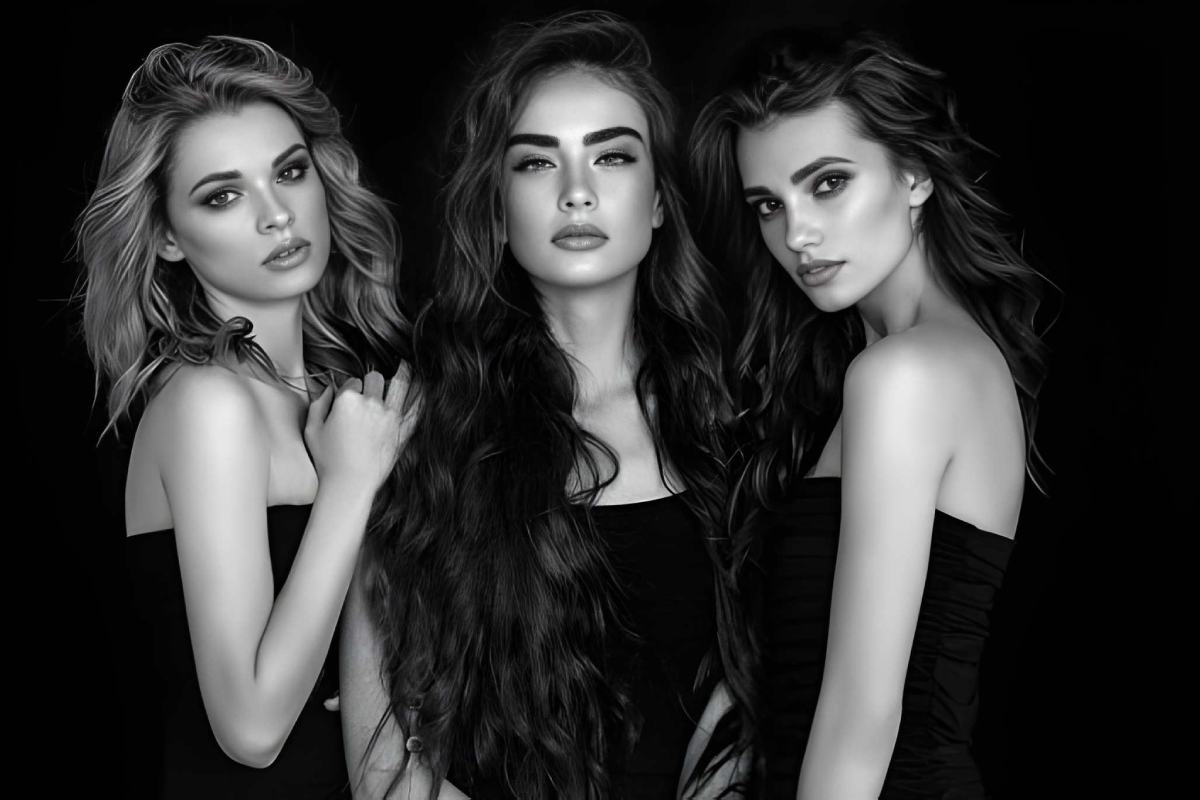
Acubi style fashion is a modern aesthetic that combines minimalism, structured silhouettes, and subtle futuristic elements. Unlike other fashion trends that rely on bold prints or bright colours, Acubi fashion focuses on clean lines, neutral tones, and versatile layering, making it visually striking yet understated. Its popularity is growing worldwide, especially among social media users and fans of Korean street style. Understanding this trend reveals how contemporary youth culture is embodied in a unique clothing aesthetic.
| Category | Details |
| Origin | Korea, influenced by K-fashion streetwear |
| Key Features | Minimalist silhouettes, neutral colours, details inspired by modern technology. |
| Popular Platforms | TikTok, Instagram, Pinterest |
| Target Audience | Teenagers and young adults are seeking modern, versatile fashion. |
| Core Colors | Black, white, grey, beige, and soft pastel colours. |
Introduction – Understanding Acubi Fashion
Definition and Appeal
Acubi fashion is a modern, minimalist style with elements of streetwear and subtle futuristic details. This aesthetic is characterised by layered clothing with balanced proportions, a neutral colour palette, and simple yet expressive information. Its appeal lies in the aptitude to create looks that appear carefully considered without being overly elaborate. Unlike commercialised trends, Acubi fashion prioritises aesthetic integrity and visual balance, making it both practical and stylish.
The style’s popularity is fueled by social media, where short videos and outfit transition demonstrations show how to combine basic pieces to create harmonious and visually appealing looks. This accessibility has made Acubi fashion a globally recognised term.
Origins of Acubi Fashion
Korean Streetwear Influence
Acubi style fashion originates from Korean street fashion, particularly influenced by emerging brands and urban youth culture. This style is characterised by fitted, structured clothing, neutral tones, and functional designs. It reflects a broader trend in Korean fashion that balances minimalism with subtle individuality, allowing wearers to express their style without resorting to bold prints or bright colours.
This aesthetic style gained popularity locally among young people and urban fashion enthusiasts for its practicality, versatility, and simple visual appeal.
Social Media and Global Spread
Social media played a critical role in dispersing the Acubi fashion trend beyond Korea. Videos on TikTok and Instagram demonstrated how layering neutral-colored clothing with minimalist accessories creates visually appealing looks. Influencers showcased simple yet structured styling techniques, encouraging a broader audience to experiment with this aesthetic.
This phenomenon illustrates how digital platforms influence fashion trends, allowing niche aesthetic movements to gain global recognition quickly.
Core Elements of Acubi Fashion
Color Palette
A distinctive feature of the Acubi style is its palette of neutral, soft colours. This style primarily uses black, white, grey, beige, and sometimes delicate pastel shades. These colours facilitate layering and clothing combinations while maintaining a clean, minimalist look.
The restrained colour choices help emphasise the silhouette and form, allowing accessories or small details to stand out without disrupting the overall aesthetic. Neutral colours also offer versatility, making it easy to mix and match different clothing items.
Clothing Silhouettes
In the Acubi fashion style, the emphasis is on balance and structured silhouettes. Common combinations include fitted tops with wide-leg trousers, cropped jackets over straight-leg pants, and sometimes mini-skirts or shorts with heels.
The combination of fitted and loose clothing creates dynamic and visually appealing looks. Proper layering ensures harmonious proportions, highlighting the minimalist nature of the trend while simultaneously providing comfort and freedom of movement.
Accessories
Acubi-style accessories are minimalist yet carefully selected. They often reflect futuristic or technological trends, such as simple metal details or understated functional elements. Their purpose is to complement the outfit without being too flashy.
- Typically, a carefully chosen accessory is enough to define the style.
This approach emphasises simplicity and understated elegance, reinforcing the importance of minimalism in this aesthetic.
Hair and Makeup
Hairstyles and makeup align with Acubi fashion’s minimalist, understated aesthetic. Typical options include loose or tousled hair, glossy or natural lip shades, soft eye makeup, and well-defined eyebrows. These elements complement the overall look without overshadowing the outfit, maintaining balance and harmony.
Styling Acubi Fashion
Building a Core Wardrobe
To master the Acubi style, the most practical approach is to start with a capsule wardrobe. Key pieces include neutral-colored tops, straight-leg trousers, ribbed t-shirts, and cropped jackets. The goal is versatility and the ability to mix and match different items, allowing you to create many outfits from a limited number of pieces.
Prioritising simplicity and proportions ensures that even with a minimalist wardrobe, you can create stylish looks that align with the Acubi aesthetic.
Layering Techniques
Layering is a fundamental principle of Acubi fashion. Close-fitting undergarments combined with slightly looser outerwear create volume and depth. Cropped jackets over classic trousers or skirts maintain visual balance while adhering to a minimalist approach.
This carefully considered layering emphasises the contrasts between shapes and silhouettes, which is a key characteristic of Acubi fashion.
Case Study: Everyday Styling
A young woman in Seoul combined a fitted beige ribbed knit blouse with grey straight-leg trousers and a small metallic hair accessory. She completed the look with a short jacket in a neutral colour. This outfit allowed her to go about her daily activities for long hours while maintaining a stylish and elegant appearance. This demonstrates the practicality and versatility of this trend in everyday life.
Applications and Cultural Impact
The Acubi fashion trend extends beyond everyday clothing; it also influences youth culture, streetwear aesthetics, and online visual content. The emphasis on proportions, simplicity, and a subtle futuristic touch has impacted how clothing is styled for photo and video shoots, especially on social media.
This trend reflects broader social values such as sustainability and conscious consumption, as its focus on capsule wardrobes and versatile clothing reduces the consumption of unnecessary garments.
Common Mistakes and Misinterpretations
Beginners often make mistakes that disrupt the aesthetics of the Acubi style. Too many accessories, mismatched colours, or an unbalanced silhouette can ruin the minimalist harmony. Shoes and outerwear should be proportionate to the rest of the outfit. Understanding these details is crucial for creating an authentic Acubi look.
Summary of Key Principles
Several fundamental principles can summarise the Acubi fashion style:
- Opt for neutral and soft tones.
- Combine fitted and loose silhouettes to achieve balance.
- Use a minimum of functional accessories.
- Hairstyle and makeup should be simple, in accordance with the principles of minimalism.
- Focus on layering to create volume and structure.
Final Thoughts
Acubi fashion is a carefully crafted aesthetic that combines minimalism, structured silhouettes, and a subtle futuristic touch. Its origins in Korean street style, along with its spread through social media, have made it a culturally significant and globally recognised trend. By understanding its key elements, layering techniques, and practical applications, anyone can appreciate the visual logic and stylistic discipline characteristic of Acubi fashion.
This trend demonstrates how contemporary aesthetics can blend simplicity with creativity, creating a practical and visually appealing style of dress without relying on flashy brands or overt branding.